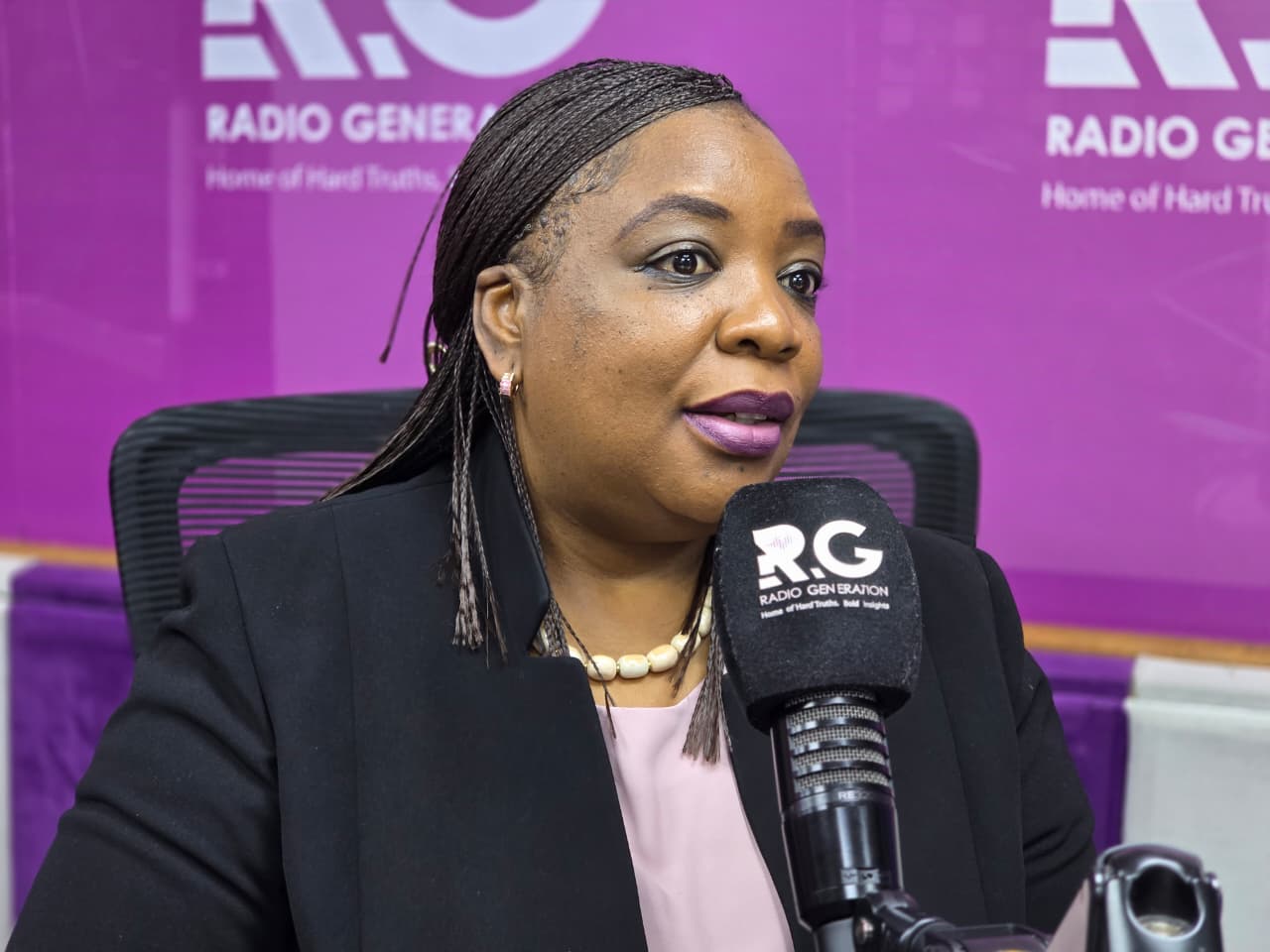
Electricity consumers in Kenya are paying higher bills due to a mix of sector reforms, growing system costs, network expansion, and losses within the grid, Kenya Power Board Chairperson Joy Mdivo has said.
Speaking during an interview on Tuesday at Radio Generation, Mdivo explained that customers are not only paying for the electricity they use but also contributing to the wider costs of running and maintaining the power system.
She traced the current structure of the energy sector back to reforms introduced in the mid-1990s, when the former Kenya Power and Lighting Company was split into separate institutions responsible for generation, transmission, and distribution.
“Kenya had a one stop shop, then the decision was made to unbundle the organization,” she explained, adding that institutions such as KenGen, KETRACO, and the Rural Electrification agency were created to handle different functions.
According to her, the separation of roles increased the overall cost of running the sector. “When that happened automatically, then the need for more resources to enable all these people to do the function increased,” she said.
She also pointed to the rapid expansion of electricity access across the country as a major factor behind rising costs. Kenya Power’s customer base has grown sharply in recent years, largely driven by last-mile connectivity efforts.
“We went from about 3 million customers, till now, we have like about 10.2 million customers,” she said.
However, she noted that many of the new connections do not recover their full costs. “Anytime we do last mile connectivity, it often costs me more to get power to them than it brings back,” she said, describing the situation as “a very huge element of cross subsidization.”
Mdivo also highlighted the high cost of supplying electricity to areas that are not connected to the main grid. In such cases, diesel generators are often used, which increases operational expenses.
“The cost of that fuel, you will see it turning up in your bill,” she said, noting that fuel is imported and affected by exchange rate changes.
Transmission losses were also identified as a key contributor to higher bills. She explained that as electricity moves across long distances, some of it is lost along the way.
“Anytime the wires are running and electrons are flowing, not all electrons get delivered,” she said.
She warned that expanding the grid further can add to inefficiencies. “The further you spread the grid, the higher your losses,” she said.
Mdivo further pointed to a shift in the balance between domestic and industrial power users as another factor affecting revenue stability. A growing number of household connections compared to industrial consumers has created challenges in maintaining a sustainable system.
“When you’ve got more domestic customers than industrial customers, you don’t manage to stay afloat,” she said.
At the same time, some industrial users are choosing to generate their own electricity due to concerns over reliability and power quality.
She gave an example of a business affected by fluctuations. “He says his machines are very sensitive to fluctuation, they shut down,” she said, explaining why some firms prefer alternative energy sources even if they are more expensive.
Illegal electricity connections were also singled out as a major problem, especially in urban settlements. Mdivo said such practices not only affect supply but also pose serious safety risks.
“Illegal connections are the pain of our existence,” she said, noting that efforts to disconnect them are often met with resistance. “We’ve had several instances where guys have been injured because of attempting to disconnect illegal connections,” she added.
She dismissed the idea that electricity should be treated as an inherent right, arguing that it is a service that must be paid for.
“Power is not a right but a luxury good,” she said, adding that customers who fail to pay for electricity face disconnection.
Despite the challenges, she emphasized the need to sustain power supply across the country to support economic activity and daily life. “We need to keep the wheels turning to keep moving,” she said.
Her remarks highlight the structural and operational pressures facing the electricity sector, even as consumers continue to express concerns over rising bills and service reliability.